🦋 Welcome to Jen’s world
Small Moments…
Big Joys
Travel · Food · Home · Health · Heart
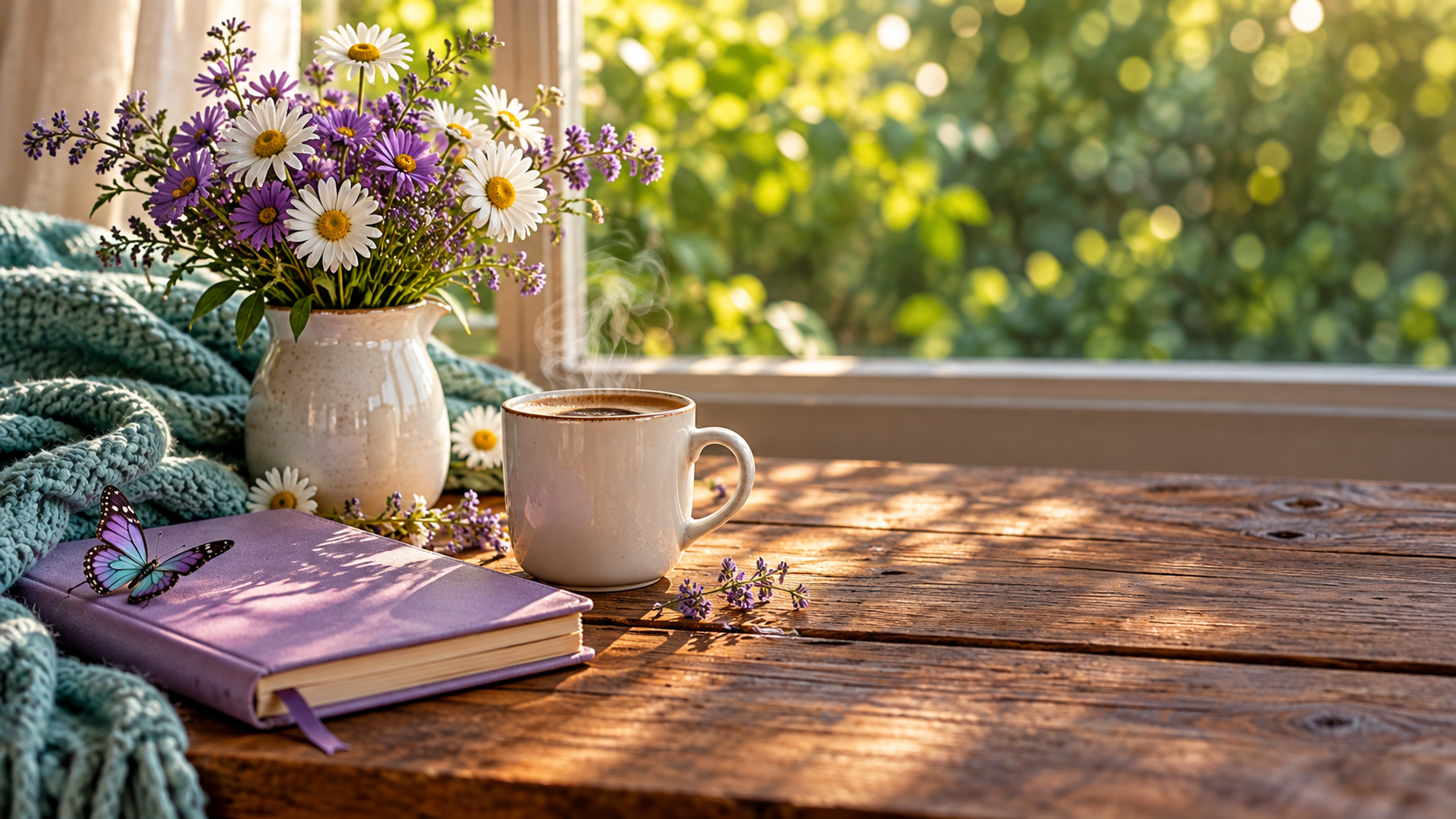
A lifestyle blog by a disabled woman with a unique perspective — finding beauty in lavender mornings, mountain views, butterflies, and the quiet joy of a warm mug by the window.
Explore by Theme
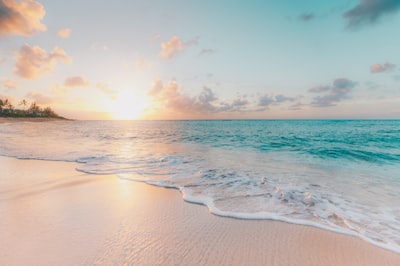
🦋 Travel
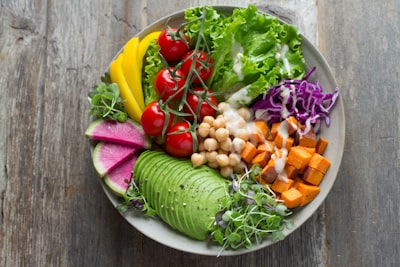
🦋 Recipes
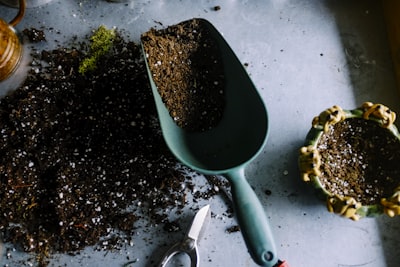
🦋 Home & Garden

🦋 Fashion & Style

🦋 Healthy Living
🦋
Stay Connected
Get the latest posts, recipes, travel tips and more delivered to your inbox!
Latest from the Blog
-
 accolade, Adopt, adults, Amazon, Amazon Prime, America, appreciation, April, art, bakery, baking, balloon, barbeques, beach, beverage, blog, books, Brands, brothers and sisters, cake, candle, candy, Celebration of Life, characters, children, chinese, Christmas, Cinco de Mayo, Clean, cocktail, Collectables, college, color, comfort, community, cookies, cooking, dance, desserts, Diets, Discovery, disney, donut, Easter, Easter eggs, encourage, entertaining, explore, fall, family, fashion, flavor, flower, food, freedom, fresh flowers, friends, friendship, fruit, garden, german American, gifts, giving, goals, Google, Greek, Hispanic American, history, Holiday, home, hot air balloon, ice cream, inspiration, inspire, instagram, irish, Italian-American, Japanese, Jewish American, kitchen, knitting, Korean American, learn, library, lifestyle, luxury, nurture, outdoors, party, Philippines, picnic, Pintrest, population, relax, remember, reminders, Retailers, school, Scottish-American, serve, share, smoothie, snack, social media, Spring, summer, travel, Trivia, United States of America, vacation, winter, women
NATIONAL FIND A RAINBOW DAY
Each year on April 3rd, National Find A Rainbow Day challenges us to look to the sky and…
-

Celebrating January Birthdays: The Timeless Allure of Garnet
January babies, you enter the world under a quiet, frosty sky just as the new year begins—a perfect…