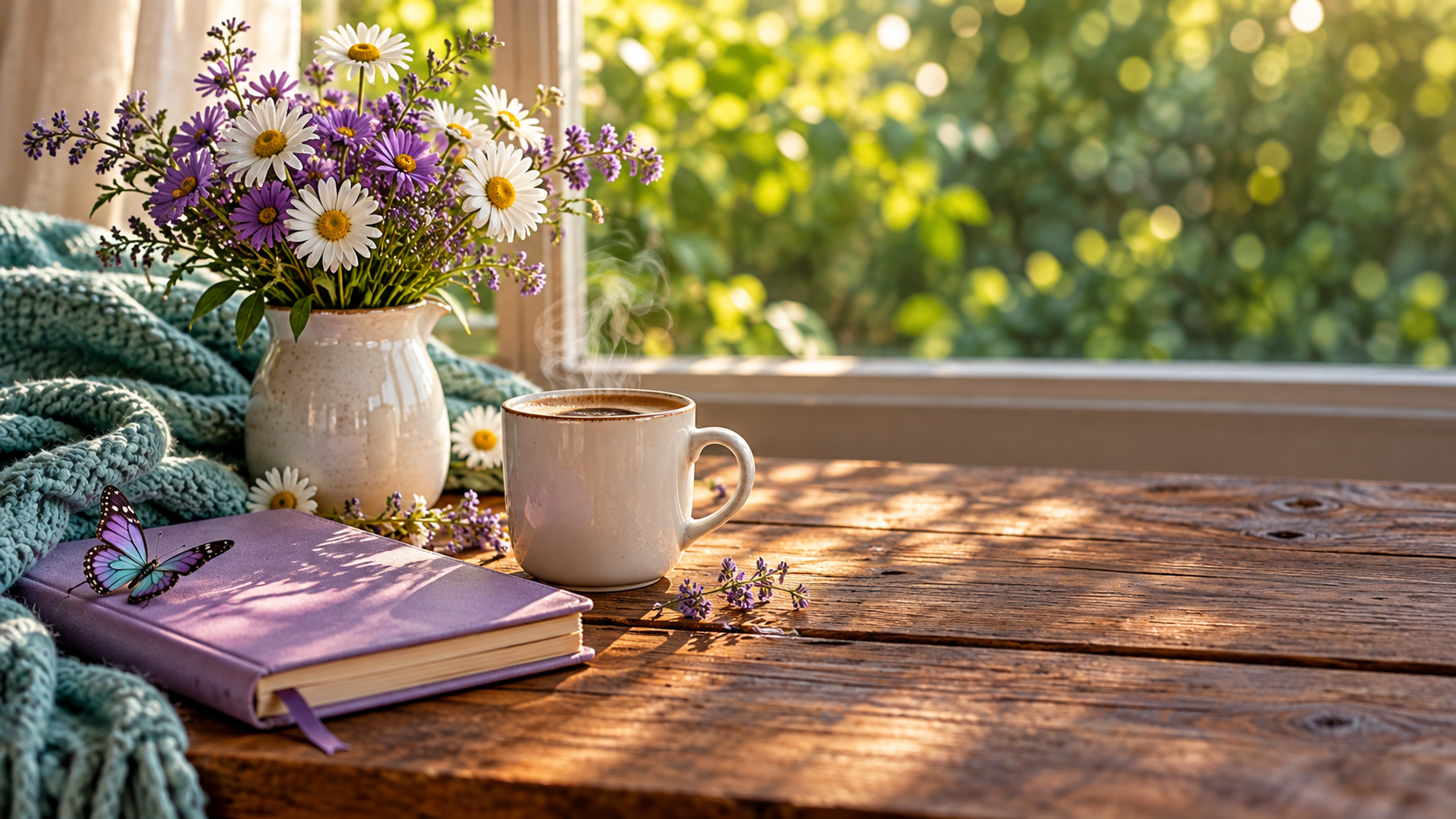
🦋 Welcome to Jen’s world
Small Moments…
Big Joys
Travel · Food · Home · Health · Heart
A lifestyle blog by a disabled woman with a unique perspective — finding beauty in lavender mornings, mountain views, butterflies, and the quiet joy of a warm mug by the window.
Explore by Theme
🦋 Travel
🦋 Recipes
🦋 Home & Garden

🦋 Fashion & Style

🦋 Healthy Living
🦋
Stay Connected
Get the latest posts, recipes, travel tips and more delivered to your inbox!
Latest from the Blog
-
 accolade, Adopt, adoption, adults, agenda, alarm clock, Amazon, Amazon Prime, Amazon Prime Video, America, an app for that, applesauce, Appliance, appreciation, Athletic, autumn, awareness, baby, back yard, ball, banana, bath, bath safety, bath tub, battery, beverage, bibliophile, birth, birthday, blog, bluetooth, books, Brands, breakfast, brother, brothers, brothers and sisters, brunch, bubble bath, calander, camera, Celebration of Life, cell phone, children, chinese, Christmas, cleaning, cleaning house, climate friendly, clothing, Collectables, comfort, community, cooking, cozy, cuddle, Diets, dinner, drink, eco-friendly, educate, electronics, emergency preparedness, encourage, entertaining, environment-friendly, everyday, explore, fall, family, family pet, family time, flavor, food, foster care, freedom, friends, friendship, fun, games, garden, Geek, german American, gifts, giving, goals, Greek, grocery shopping, habits, Hanukkah, health, healthy, Hispanic American, history, home, hosting, hugs, inspiration, inspire, instagram, inventions, iPhone, irish, Italian-American, jamaican, Japanese, Jewish American, kitchen, Korean American, laugh, learn, lifestyle, memories, men, milk, modern, mom, monthly observations, music, native American, near me, news, nursing, nurture, organization, pantry, peace of mind, Philippines, photography, Pintrest, Playstore, podcasts, Polish American, pool, Positivity, read, relax, remember, reminders, responsible, restaurant, Retailers, Road Trip, safety, save money, Scottish-American, security, share, shopping, smile, snack, social media, songs, story, strategy, summer, sun protection, swimming pool, tablet, teach, technology, travel, United States of America, vacation, vegetables, Wardrobe, warm, water conservation, winter, women, young adults
BABY SAFETY MONTH
All September long, Baby Safety Month highlights the importance of providing babies and families with safe, quality products.…
-
 accolade, America, appreciation, autumn, Celebration of Life, cooking, Discovery, eco-friendly, encourage, environment-friendly, explore, exploring history, friendship, girl scout, inspiration, men, Road Trip, safety, self care, smile, sports, Spring, States, United States of America, winter
National Camping Month
National Camping Month in June is an excellent time to pack up your gear and experience nature. Whether…
-
 America, awareness, baby, Celebration of Life, explore, friendship, men, Positivity, safety, sports, Spring, warm
NATIONAL WATER SAFETY MONTH
National Water Safety Month in May prepares us for recreational activities. Water is an attraction during the summer…