
🦋 Welcome to Jen’s world
Small Moments…
Big Joys
Travel · Food · Home · Health · Heart
A lifestyle blog by a disabled woman with a unique perspective — finding beauty in lavender mornings, mountain views, butterflies, and the quiet joy of a warm mug by the window.
Explore by Theme

🦋 Travel
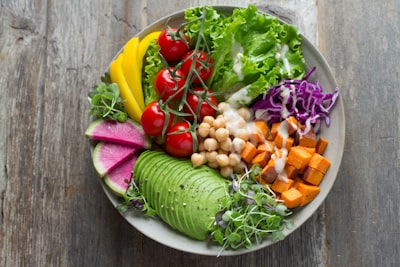
🦋 Recipes
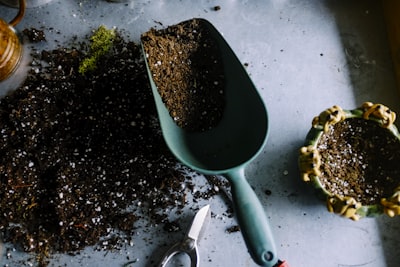
🦋 Home & Garden

🦋 Fashion & Style

🦋 Healthy Living
🦋
Stay Connected
Get the latest posts, recipes, travel tips and more delivered to your inbox!
Latest from the Blog
-
 accolade, Adopt, agenda, Amazon Prime, America, appreciation, awareness, back yard, blog, books, Brands, brothers and sisters, calander, Celebration of Life, celebrity, classics, Discovery, eco-friendly, electronics, encourage, explore, exploring history, fall, famous, gamble, heritage, inspiration, learn, lifestyle, mathematics, men, monthly observations, moon, National weather service, remember, Retailers, smart tv, smile, space, Spring, stars, story, United States of America, winter
NATIONAL MOON DAY
National Moon Day on July 20th commemorates the day man first walked on the moon in 1969. NASA…
-
 accolade, Adopt, Amazon Prime, America, appreciation, autumn, blog, books, brothers and sisters, casserole, Celebration of Life, celebrity, cell phone, classics, cocktail, college, college dorm, companion, computers, cooking, coupon, desserts, Diets, Discovery, dog, donations, donut, drive through, Easter dinner, Easter recipes, ecards, emergency preparedness, encourage, explore, exploring history, fall, fast food, fathers day, food drive, football, friendship, fruit, gardening, yard decor, exterior design, gift guide, gifts, giving, heart health, heritage, Hispanic American, hurricane, inspiration, internet, inventions, iPhone, ipod, jewelry, keto, kindle, lifestyle, literature, memories, men, patriotic, playlist, pod cast, Positivity, protect and serve, remember, Retailers, Road Trip, serve, sing, smile, sports, Spring, Starbucks, States, story, tablet, United States of America, vote, warm, winter, work
SOCIAL MEDIA DAY
Social Media Day is observed annually on June 30th. In its short life, social media has redefined how…
-
 African heritage, agenda, Amazon Prime, America, appreciation, autumn, blog, books, brother, brothers, brothers and sisters, Celebration of Life, cell phone, classics, cozy, Discovery, earth day, encourage, explore, fall, friendship, inspiration, internet, lifestyle, memories, men, mom, monthly observations, reminders, romance, Sandwhich, smile, space, Spring, star gazing, stars, story, United Kingdom, United States of America, universe, Unplugging, winter
NATIONAL METEOR WATCH DAY
National Meteor Watch Day is observed every year on June 30th. Also known as National Meteor Day, on…
-

SUMMER BEGINS
On the longest day of the year, Summer Begins in the Northern Hemisphere. It is also known as…
-
 accolade, America, appreciation, autumn, Celebration of Life, cooking, Discovery, eco-friendly, encourage, environment-friendly, explore, exploring history, friendship, girl scout, inspiration, men, Road Trip, safety, self care, smile, sports, Spring, States, United States of America, winter
National Camping Month
National Camping Month in June is an excellent time to pack up your gear and experience nature. Whether…