
🦋 Welcome to Jen’s world
Small Moments…
Big Joys
Travel · Food · Home · Health · Heart
A lifestyle blog by a disabled woman with a unique perspective — finding beauty in lavender mornings, mountain views, butterflies, and the quiet joy of a warm mug by the window.
Explore by Theme

🦋 Travel
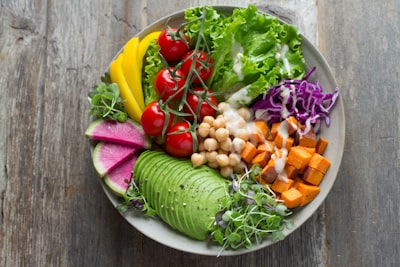
🦋 Recipes
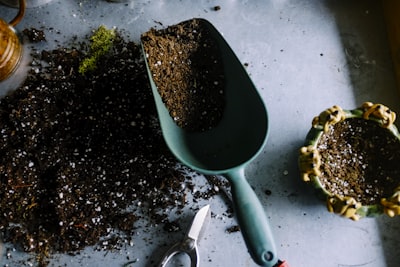
🦋 Home & Garden

🦋 Fashion & Style

🦋 Healthy Living
🦋
Stay Connected
Get the latest posts, recipes, travel tips and more delivered to your inbox!
Latest from the Blog
-
 America, autumn, books, computers, coupon, Discovery, explore, exploring history, fall, friendship, October, States
Columbus Day, Monday October 12th
“Columbus sailed the ocean blue in 1492”. We learned this line in early school days. There has been…
-
 accolade, America, appreciation, autumn, berries, berry, blueberry, brunch, candy, Celebration of Life, cherry, cold, college, desserts, Diets, Discovery, donut, encourage, explore, fall, friendship, fruit, inspiration, mango, March, men, mothers day, patriotic, peaches, punch, Road Trip, serve, smile, Spring, Starbucks, strawberry, United States of America, warm, winter
NATIONAL BLUEBERRY POPSICLE MONTH
September is National Blueberry Popsicle Month and a time to honor the creator of this tasty treat. At…
-
 accolade, adults, April, August, books, causes, characters, children, Clean, community, Discovery, emergency, family, friends, friendship, goals, health, Homemade, household, January, July, june, May, medical, Military, movies, nature, outdoors, pets, Positivity, productivity, remedy, save, season, States, summer, technology, women
National Preparedness Month
Disasters don’t plan ahead, but you can. The entire month of September observes National Preparedness Month. No matter…
-
 accolade, America, appreciation, autumn, awareness, back to school, books, computers, Discovery, encourage, explore, fall, family traditions, friendship, household, inspiration, men, safety, spelling, sports, States, United States of America, winter
Back to School 5th Grade
Send them off to school in style, with everything they need to make the grade. Check with your…
-
 accolade, Adopt, appreciation, autumn, awareness, back to school, books, Celebration of Life, Discovery, encourage, fall, family traditions, friendship, inspiration, men, spelling, sports, States, United States of America, winter
Back to School 4th Grade
Send them off to school in style, with everything they need to make the grade. Check with your…