
🦋 Welcome to Jen’s world
Small Moments…
Big Joys
Travel · Food · Home · Health · Heart
A lifestyle blog by a disabled woman with a unique perspective — finding beauty in lavender mornings, mountain views, butterflies, and the quiet joy of a warm mug by the window.
Explore by Theme

🦋 Travel
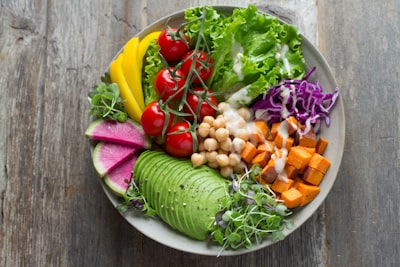
🦋 Recipes
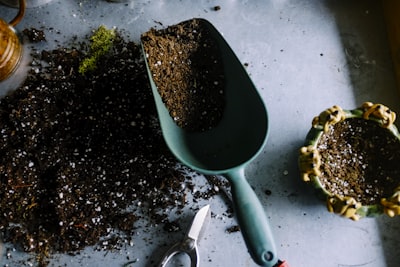
🦋 Home & Garden

🦋 Fashion & Style

🦋 Healthy Living
🦋
Stay Connected
Get the latest posts, recipes, travel tips and more delivered to your inbox!
Latest from the Blog
-
 accolade, America, appreciation, autumn, backyard barbecue, baking, barbecue, Celebration of Life, cooking, desserts, Diets, Discovery, encourage, explore, fall, friendship, household, men, patriotic, smile, soup, Spring, States, warm, winter
NATIONAL CORN ON THE COB DAY
June 11 of each year is the day to celebrate National Corn on the Cob Day. Fresh corn…
-
 accolade, Adopt, Amazon Prime, America, appreciation, April, autumn, back to school, barbeques, blog, brothers and sisters, casserole, Celebration of Life, classics, cocktail, cold, college, cooking, Diets, Discovery, encourage, explore, fall, friendship, fruit, Gluten free, grocery shopping, heritage, inspiration, Italian-American, Jewish American heritage, keto, Kindergarten, lifestyle, memories, men, mom, monthly observations, peanut butter, pretzel, remember, restaurant, Retailers, seafood, serve, Shipt, smile, snack, soup, spices, Spring, States, Super Bowl, United States of America, vegan, vegetables, winter
National Fresh Celery Month – April
National Fresh Celery Month in April provides an opportunity to experiment with recipes and challenge the way we…
-
 accolade, Adopt, almonds, Amazon Prime, America, appreciation, asparagus, autumn, bakery, baking, barbeques, beverage, blog, blueberry, brothers and sisters, brunch, cabbage, casserole, Celebration of Life, classics, cooking, Diets, Discovery, encourage, explore, exploring history, fall, garden, german American, Gluten free, grocery shopping, heart health, heritage, Hispanic American, Italian-American, Jewish American heritage, keto, lifestyle, March, men, mom, monthly observations, native American Heritage, pot pie, restaurant, Retailers, salad, Sandwhich, Scottish American Heritage, seafood, serve, Shipt, smoothie, soup, spices, Spring, United States of America, vegan, vegetables, warm, winter
NATIONAL SPINACH DAY
On March 26th each year, National Spinach Day reminds us of the health benefits packed into this leafy…
-
 Amazon Prime, America, appreciation, berries, berry, beverage, big game, blog, casserole, Celebration of Life, cocktail, cooking, Diets, Discovery, encourage, fall, heritage, keto, lifestyle, March, men, mom, monthly observations, smile, snack, soup, Spring, United States of America, vegetables, winter
NATIONAL CELERY MONTH
Get chopping in March with National Celery Month! This vegetable adds crunch to salads while adding lots of…
-
 accolade, Adopt, adults, Amazon, Amazon Prime, America, appreciation, autumn, awareness, back to school, back yard, batteries, battery, beach, blog, Brands, brothers and sisters, candle, Celebration of Life, characters, children, classics, Clean, climate friendly, college, comfort, community, cool, Discovery, earth day, eco-friendly, electronics, emergency, emergency preparedness, encourage, family
NATIONAL BATTERY DAY
Get a charge out of National Battery Day! Observed each year on February 18th, the day serves to…