
🦋 Welcome to Jen’s world
Small Moments…
Big Joys
Travel · Food · Home · Health · Heart
A lifestyle blog by a disabled woman with a unique perspective — finding beauty in lavender mornings, mountain views, butterflies, and the quiet joy of a warm mug by the window.
Explore by Theme
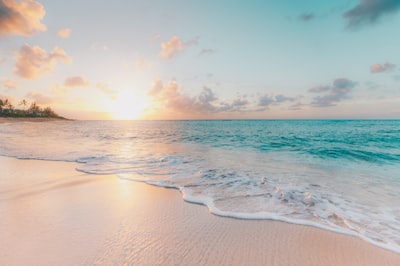
🦋 Travel
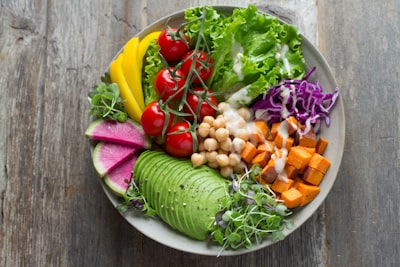
🦋 Recipes
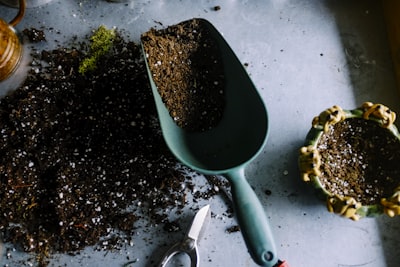
🦋 Home & Garden

🦋 Fashion & Style

🦋 Healthy Living
🦋
Stay Connected
Get the latest posts, recipes, travel tips and more delivered to your inbox!
Latest from the Blog
-
 accolade, Adopt, agenda, Amazon Prime, America, appreciation, awareness, back yard, blog, books, Brands, brothers and sisters, calander, Celebration of Life, celebrity, classics, Discovery, eco-friendly, electronics, encourage, explore, exploring history, fall, famous, gamble, heritage, inspiration, learn, lifestyle, mathematics, men, monthly observations, moon, National weather service, remember, Retailers, smart tv, smile, space, Spring, stars, story, United States of America, winter
NATIONAL MOON DAY
National Moon Day on July 20th commemorates the day man first walked on the moon in 1969. NASA…
-
 accolade, adults, agenda, Air Force, Amazon, Amazon Prime, Amazon Prime Video, America, appreciation, astronomy, authors, autumn, aviation, balloon, batteries, battery, Bingable, blog, books, Brands, brothers and sisters, calander, Celebration of Life, celebrity, characters, classics, Clean, clothing, cocktail, coffee, Collectables, college, comfort, community, companion, computer geek, computer programming, computers, convention, Discovery, earth day, ebook, eco-friendly, electronics, emergency, emergency preparedness, empower, encourage, explore, exploring history, fall, family, famous, flight, Florida, food, freedom, friends, friendship, Geek, german American, gifts, goals, Google, graduate, gratitude, Greek, health, Heroes, Hispanic American, history, hobby, Honor, hot air balloon, inspiration, inspire, instagram, internet, inventions, invitation, irish, Italian-American, Japanese, Jewish American, Korean American, laugh, learn, libraries, library, lifestyle, May, medical, memories, men, mental health, meteor, Military, mom, moon, movies, Museum, music, NASA, National weather service, native American, nature, nurture, organization, party, patriotic, Pensacola, Philippines, Pintrest, pod cast, podcasts, population, Positivity, read, relax, remember, reminders, safety, school, Scottish-American, screenwriters, search, season, security, share, smart tv, smile, social media, space, Space X, Spring, star gazing, Star Trek, Star Trek Discovery, Star Wars, States, story, strategy, summer, sun, tablet, teach, technology, telescope, Texas, translation, travel, Trivia, United States of America, universe, Valor, Veteran, winter, women
NATIONAL SPACE DAY
National Space Day dedicates the first Friday in May to the extraordinary achievements, benefits, and opportunities in the exploration…