
🦋 Welcome to Jen’s world
Small Moments…
Big Joys
Travel · Food · Home · Health · Heart
A lifestyle blog by a disabled woman with a unique perspective — finding beauty in lavender mornings, mountain views, butterflies, and the quiet joy of a warm mug by the window.
Explore by Theme

🦋 Travel
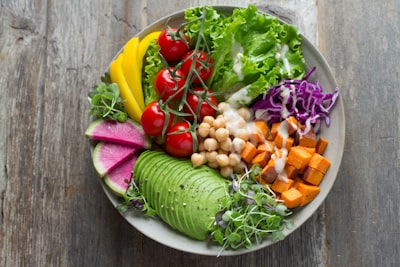
🦋 Recipes
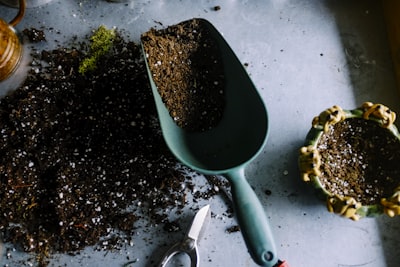
🦋 Home & Garden

🦋 Fashion & Style

🦋 Healthy Living
🦋
Stay Connected
Get the latest posts, recipes, travel tips and more delivered to your inbox!
Latest from the Blog
-
 accolade, America, appreciation, autumn, beer, blog, Celebration of Life, cheese, cooking, Diets, Discovery, encourage, explore, fall, fast food, friendship, heritage, Hispanic American, inspiration, men, Road Trip, September, serve, smile, Spring, United States of America, warm, winter
NATIONAL QUESADILLA DAY
National Quesadilla Day on September 25th encourages us to pull a chair up to the table and eat…
-
 accolade, adults, books, Celebration of Life, chicken, children, community, Diets, dinner, Discovery, family, food, friends, friendship, goals, history, Holiday, Homemade, lunch, party, Recipes, side dish, summer, vacation, wine, women
NATIONAL GUACAMOLE DAY
National Guacamole Day on September 16 brings fresh flavors together for the perfect celebration. What a great way…
-
 accolade, America, appreciation, autumn, backyard barbecue, baking, barbecue, Celebration of Life, cooking, desserts, Diets, Discovery, encourage, explore, fall, friendship, household, men, patriotic, smile, soup, Spring, States, warm, winter
NATIONAL CORN ON THE COB DAY
June 11 of each year is the day to celebrate National Corn on the Cob Day. Fresh corn…
-
 accolade, America, appreciation, autumn, baking, beer, books, brunch, Celebration of Life, cooking, desserts, Diets, Discovery, explore, fall, friendship, heritage, Hispanic American, inspiration, mango, men, spices, Spring, States, warm, winter
NATIONAL TOTALLY CHIPOTLE DAY
Each year on May 5th, National Totally Chipotle Day celebrates right alongside Cinco de Mayo and is dedicated…
-
 accolade, America, appreciation, autumn, barbecue, beer, books, Celebration of Life, cheese, college, cooking, Diets, Discovery, encourage, explore, exploring history, fall, friendship, heritage, Hispanic American, inspiration, mango, men, serve, smile, spices, sports, Spring, States, United States of America, warm, winter
NATIONAL SALSA MONTH
National Salsa Month in May a vibrant way to add flavor and color to any recipe. For extra…