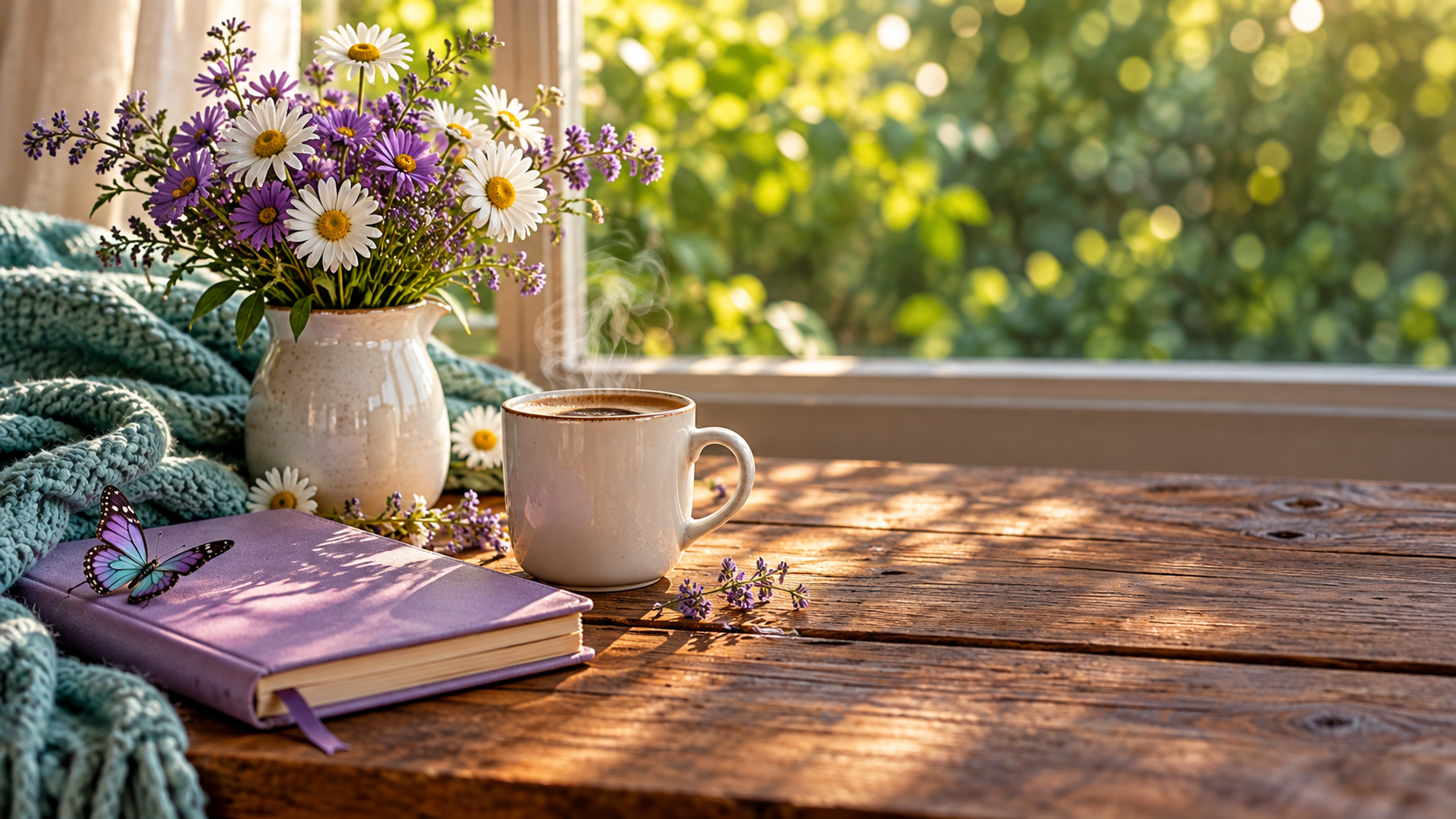
🦋 Welcome to Jen’s world
Small Moments…
Big Joys
Travel · Food · Home · Health · Heart
A lifestyle blog by a disabled woman with a unique perspective — finding beauty in lavender mornings, mountain views, butterflies, and the quiet joy of a warm mug by the window.
Explore by Theme
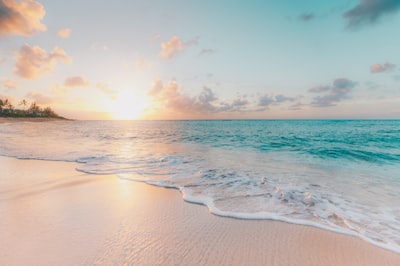
🦋 Travel
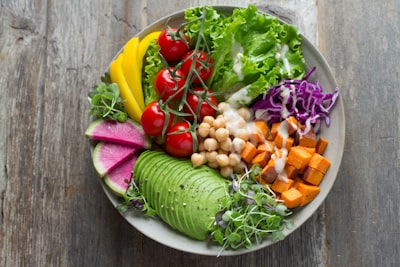
🦋 Recipes
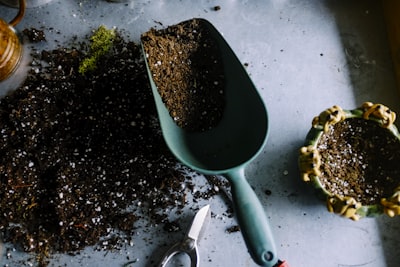
🦋 Home & Garden

🦋 Fashion & Style

🦋 Healthy Living
🦋
Stay Connected
Get the latest posts, recipes, travel tips and more delivered to your inbox!
Latest from the Blog
-

SAVE THE EAGLES DAY
Each year on January 10th, Save the Eagles Day reminds us of the majestic raptors that soar above…
-
 accolade, Adopt, adults, agenda, Alexa, Amazon, Amazon Prime, America, amusement, animals, appreciation, Audubon day, autumn, back yard, beauty, bird, bird watching, birds, blog, books, Brands, bread, brothers and sisters, Celebration of Life, characters, chicks, children, chinese, college, community, companion, crafts, cranberry, culture, Discovery, educate, encourage, entertaining, environment, everyday, explore, exploring history, family, February, flight, flower, food, freedom, fresh flowers, friends, friendship, Geek, german American, gifts, giving, goals, Google, gratitude, Greek, grocery shopping, habits, Hispanic American, history, hobby, home, home decor, Homemade, household, inspiration, inspire, instagram, irish, Italian-American, jamaican, Japanese, Jewish American, Korean American, learn, leisure, lifestyle, memories, men, monthly observations, mother nature, native American, nature, nurture, nuts, nuts and seeds, organization, outdoors, Peaceful, peanut butter, Philippines, photography, Pintrest, Polish American, popcorn, population, Positivity, pumpkin seeds, read, relax, remember, Retailers, ritual, Scottish-American, seeds, seniors, share, small animals, smile, social media, Spring, States, summer, sunflower seeds, teach, travel, Trivia, United States of America, Unplugging, Veteran, volunteers, water, winter, women, young adults
NATIONAL BIRD FEEDING MONTH
During National Bird Feeding Month in February, keep the bird feeders filled and your binoculars ready. The month…