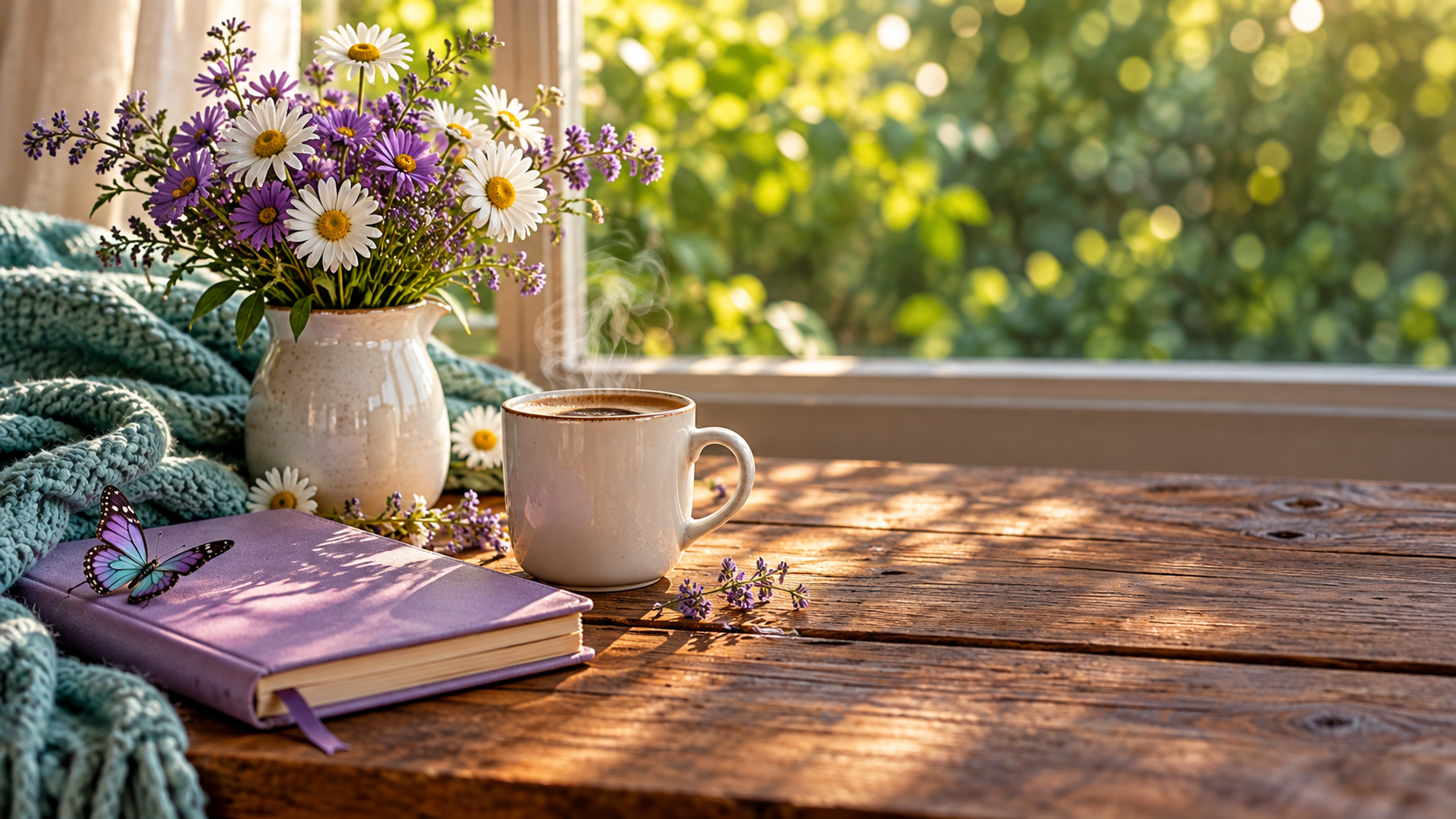
🦋 Welcome to Jen’s world
Small Moments…
Big Joys
Travel · Food · Home · Health · Heart
A lifestyle blog by a disabled woman with a unique perspective — finding beauty in lavender mornings, mountain views, butterflies, and the quiet joy of a warm mug by the window.
Explore by Theme
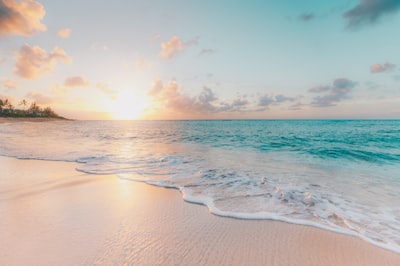
🦋 Travel
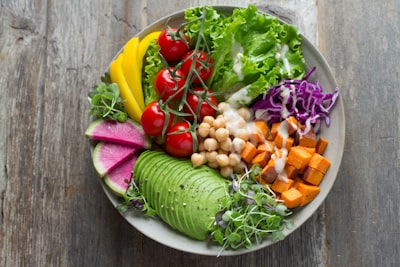
🦋 Recipes
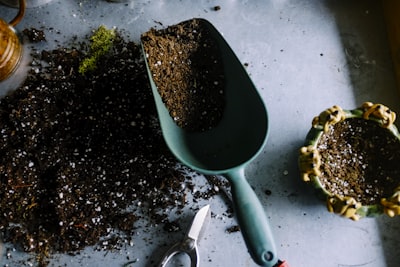
🦋 Home & Garden

🦋 Fashion & Style

🦋 Healthy Living
🦋
Stay Connected
Get the latest posts, recipes, travel tips and more delivered to your inbox!
Latest from the Blog
-
 accolade, America, appreciation, April, autumn, awareness, back to school, baking, barbecue, beer, berries, berry, blueberry, candy, cheese, college, college dorm, computers, cooking, desserts, Diets, Discovery, encourage, explore, fall, fast food, friendship, fruit, inspiration, managing money, men, money, punch, Road Trip, romance, self care, smile, soup, Spring, States, strawberry, United States of America, winter
NATIONAL JUNK FOOD DAY
July 21st dedicates a giant menu of items to National Junk Food Day. Each year, the day permits…
-
 accolade, America, appreciation, autumn, books, candy, cooking, coupon, desserts, Diets, Discovery, donut, drive through, encourage, explore, exploring history, fall, fast food, freebies, friendship, fruit, inventions, men, money, November, Road Trip, soup, Spring, States, strawberry, Super Bowl, United States of America, warm, winter
NATIONAL FAST FOOD DAY
On November 16th food lovers get a dose of their favorite convenience food on National Fast Food Day.…
-
 America, appreciation, autumn, back to school, back yard, backyard barbecue, barbeques, baseball, beer, blog, Celebration of Life, cheese, classics, cocktail, college, cooking, Diets, Discovery, drive through, encourage, explore, exploring history, fall, fast food, friendship, lifestyle, memories, men, restaurant, Retailers, Road Trip, seafood, serve, soft, Spring, warm, winter
NATIONAL FRENCH FRY DAY
National French Fry Day on July 13th recognizes a staple food on menus across the country. It comes…