
🦋 Welcome to Jen’s world
Small Moments…
Big Joys
Travel · Food · Home · Health · Heart
A lifestyle blog by a disabled woman with a unique perspective — finding beauty in lavender mornings, mountain views, butterflies, and the quiet joy of a warm mug by the window.
Explore by Theme

🦋 Travel
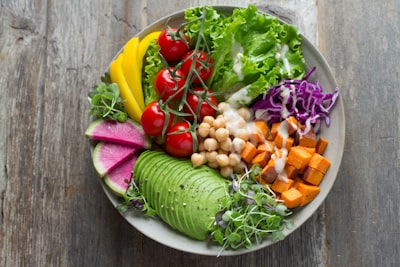
🦋 Recipes
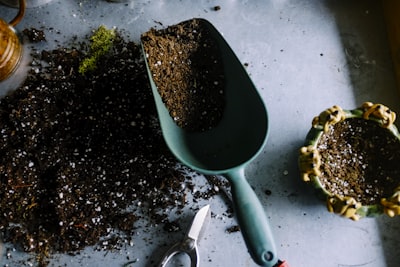
🦋 Home & Garden

🦋 Fashion & Style

🦋 Healthy Living
🦋
Stay Connected
Get the latest posts, recipes, travel tips and more delivered to your inbox!
Latest from the Blog
-
 Amazon Prime, America, appreciation, autumn, awareness, bakery, baking, blog, Celebration of Life, cooking, Discovery, EMT, encourage, explore, exploring history, fall, friendship, giving, heart health, inspiration, lifestyle, memories, men, safety, self care, Spring, United States of America, winter
NATIONAL STROKE AWARENESS MONTH
May is World Stroke Month. Many health and heart organizations come together every May to raise awareness about…
-
 accolade, Amazon Prime, appreciation, April, autumn, bakery, baking, blog, books, Celebration of Life, cooking, Diets, Discovery, encourage, explore, exploring history, fall, fish, friendship, fruit, heritage, inspiration, keto, kindle, lifestyle, men, pizza, restaurant, salad, Sandwhich, sandwich, seafood, soup, Spring, winter
National Mediterranean Diet Month
When it comes to flavor and health in one package, National Mediterranean Diet Month in May has us…
-
 Adopt, African heritage, Amazon Prime, America, autumn, awareness, blog, Celebration of Life, celebrity, college, Discovery, emergency preparedness, EMT, exploring history, fall, firefighter, friendship, gardening, yard decor, exterior design, german American, heritage, Hispanic American, household, Italian-American, Jewish American, kindle, lifestyle, men, mom, monthly observations, native American Heritage, natural disaster, November, nursing, Positivity, Road Trip, Scottish American Heritage, self care, sports, Spring, States, United States of America, warm, winter
NATIONAL COPD AWARENESS MONTH
National COPD Awareness Month dedicates all of November to educating the public about a disease that makes breathing…
-
 accolade, adults, birthday, books, Celebration of Life, characters, charity, children, community, Diets, Discovery, emergency, family, friends, friendship, health, history, Holiday, medical, remedy, summer, technology, travel, Trivia, women
WORLD STROKE DAY
World Stroke Day, on October 29th, seeks to emphasize the serious nature and high rates of stroke. The…
-
 Adopt, Amazon Prime, America, autumn, awareness, barbeques, blog, books, brothers and sisters, Celebration of Life, celebrity, Discovery, donations, electronics, emergency preparedness, EMT, encourage, explore, exploring history, fall, friendship, german American, heritage, Hispanic American, Italian-American, Jewish American, kindle, lifestyle, men, monthly observations, native American Heritage, natural disaster, November, nursing, Positivity, Road Trip, Scottish American Heritage, self care, sports, Spring, States, story, United Nations, United States of America, warm, winter
WORLD COPD DAY
On the third Wednesday in November, World COPD Day raises awareness for this preventable and treatable lung disease.…