
🦋 Welcome to Jen’s world
Small Moments…
Big Joys
Travel · Food · Home · Health · Heart
A lifestyle blog by a disabled woman with a unique perspective — finding beauty in lavender mornings, mountain views, butterflies, and the quiet joy of a warm mug by the window.
Explore by Theme

🦋 Travel
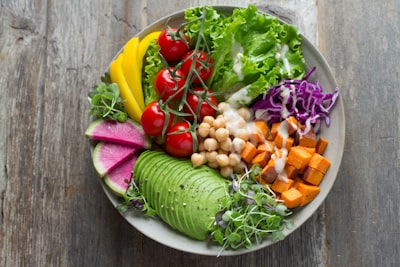
🦋 Recipes
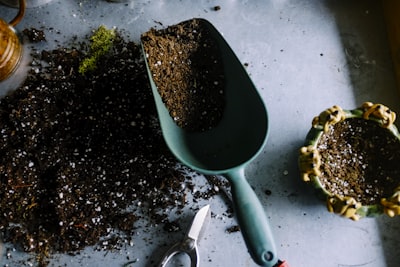
🦋 Home & Garden

🦋 Fashion & Style

🦋 Healthy Living
🦋
Stay Connected
Get the latest posts, recipes, travel tips and more delivered to your inbox!
Latest from the Blog
-
 accolade, Adopt, Amazon Prime, America, appreciation, autumn, baking, blog, books, brunch, Celebration of Life, classics, cooking, Diets, Discovery, encourage, explore, exploring history, fall, friendship, Halloween, Hanukkah, heritage, household, inspiration, lifestyle, men, serve, smile, Spring, States, warm, winter
NATIONAL YORKSHIRE PUDDING DAY
National Yorkshire Pudding Day is observed across the United States each year on October 13th. Not to be…
-
 accolade, America, appreciation, baking, berries, berry, blueberry, brunch, Celebration of Life, cherry, cooking, Diets, Discovery, encourage, explore, fall, fathers day, friendship, fruit, inspiration, men, mothers day, September, serve, smile, Spring, strawberry, United States of America, warm, winter
NATIONAL PANCAKE DAY
National Pancake Day on September 26th sets up a tall stack of syrupy goodness to celebrate! Set the…
-
 accolade, Adopt, Amazon Prime, America, appreciation, autumn, bakery, baking, blog, brunch, Celebration of Life, chocolate, classics, cooking, cozy, desserts, Diets, Discovery, encourage, explore, friendship, fruit, inspiration, keto, lifestyle, memories, men, mom, restaurant, serve, smile, spices, Spring, United States of America, warm, winter
NATIONAL CREME BRULEE DAY
National Crème Brûlée Day on July 27th presents an opportunity to enjoy a mouth-watering custard for dessert. Since…
-
 accolade, Adopt, Amazon Prime, America, appreciation, autumn, bakery, berries, berry, beverage, blog, blueberry, Celebration of Life, cherry, classics, cooking, desserts, Diets, Discovery, encourage, explore, exploring history, friendship, fruit, heritage, hot, inspiration, keto, lifestyle, memories, men, patriotic, remember, restaurant, Retailers, serve, smile, spices, Spring, United States of America, warm, winter
NATIONAL TAPIOCA PUDDING DAY
National Tapioca Pudding Day on July 15th encourages us to dig into this pudding dish enjoyed around the…
-
 accolade, Adopt, Amazon Prime, America, appreciation, apricot, April, autumn, berries, berry, beverage, blog, blueberry, brothers and sisters, butterscotch, candy, Celebration of Life, celebrity, cherry, chocolate, cooking, Discovery, encourage, explore, fall, family traditions, friendship, fruit, grape, heritage, inspiration, keto, lifestyle, mango, memories, men, peaches, pumpkin, restaurant, Retailers, Road Trip, self care, serve, smile, spices, Spring, strawberry, winter
NATIONAL BUBBLE TEA DAY
On April 30th what do bubbles and tea have in common? Together make a fantastic treat to celebrate…