
🦋 Welcome to Jen’s world
Small Moments…
Big Joys
Travel · Food · Home · Health · Heart
A lifestyle blog by a disabled woman with a unique perspective — finding beauty in lavender mornings, mountain views, butterflies, and the quiet joy of a warm mug by the window.
Explore by Theme

🦋 Travel
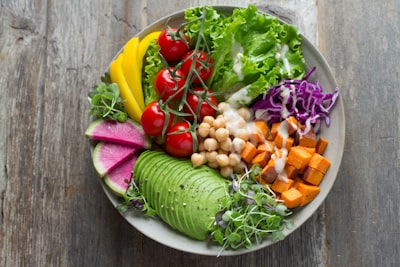
🦋 Recipes
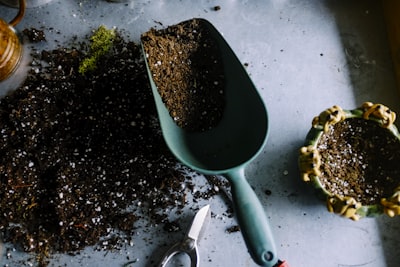
🦋 Home & Garden

🦋 Fashion & Style

🦋 Healthy Living
🦋
Stay Connected
Get the latest posts, recipes, travel tips and more delivered to your inbox!
Latest from the Blog
-
 April, autumn, awareness, backyard barbecue, barbecue, barbeques, berries, berry, books, Celebration of Life, cooking, desserts, Diets, Discovery, encourage, exploring history, fall, February, friendship, inspiration, March, men, mothers day, November, October, romance, September, smile, Spring, States, winter
NATIONAL STRAWBERRY SHORTCAKE DAY
National Strawberry Shortcake Day is observed each year on June 14th. Either on a shortcake biscuit or a…
-
 America, appreciation, bakery, baking, barbecue, barbeques, berries, berry, blog, brownie, brunch, candy, Celebration of Life, cooking, desserts, Diets, Discovery, Driscoll’s, encourage, explore, exploring history, friendship, fruit, inspiration, lifestyle, men, popsicle, restaurant, Retailers, salad, serve, smile, Spring, story, strawberry, winter
NATIONAL STRAWBERRIES AND CREAM DAY
Each year on May 21st, we combine two favorites for a celebration on National Strawberries and Cream Day.…
-
 accolade, America, appreciation, April, autumn, awareness, baking, berries, berry, candy, Celebration of Life, cooking, December, desserts, Diets, Discovery, donut, Driscoll’s, encourage, explore, exploring history, fall, February, inspiration, March, men, mothers day, November, October, punch, Road Trip, romance, September, smile, Spring, States, warm, winter
NATIONAL PICK STRAWBERRIES DAY
Every May 20 National Pick Strawberries Day is observed. There is something special about the taste of…
-
 accolade, America, appreciation, autumn, awareness, baking, berries, berry, books, candy, Celebration of Life, cooking, desserts, Diets, Discovery, Driscoll’s, encourage, explore, exploring history, fall, friendship, inspiration, March, men, punch, romance, self care, smile, Spring, States, warm, winter
National Strawberry Month
Sweet and bright, National Strawberry Month beckons in May. We eat them fresh out of the garden, blend…
-
 accolade, America, appreciation, autumn, baking, berries, berry, books, candy, Celebration of Life, cooking, desserts, Diets, Discovery, Driscoll’s, encourage, explore, exploring history, friendship, inspiration, men, punch, romance, self care, smile, Spring, States, United States of America, winter
NATIONAL CALIFORNIA STRAWBERRY DAY
As part of National Nutrition Month, National California Strawberry Day kicks off the strawberry season in California. The…