NATIONAL CABBAGE DAY

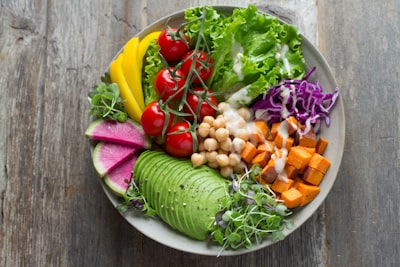
National Cabbage Day on February 17th recognizes a delightful garden staple that provides some of the best recipes for the Celtic holidays coming up next month. It’s an excellent day to test your corned beef and cabbage skills alongside other delicious seasonal dishes. 

From the French caboche, meaning head, cabbage comes in a variety of forms. The cabbage family is quite varied and includes Brussels sprouts, broccoli, cauliflower, bok choy, kohlrabi and kale. Cabbage is an ancient food with origins in Asia Minor (Turkey today) and the eastern Mediterranean.

When selecting a cabbage, the head should be firm and dense. The fibrous leaves of a healthy cabbage should be shiny and crisp with no browning or bruising.

Cabbage is versatile and can be eaten raw, steamed or sautéd.  A popular ingredient in Asian, German, Irish and Latin recipes, it’s a culturally diverse food. Having low calories (6 per leaf) makes cabbage a popular diet food as well.  It has no fat or cholesterol, is low in sodium and carbs, and is a good source of Vitamin C.

Explore More…

HOW TO OBSERVE #NationalCabbageDay

  • Bring out your favorite cabbage recipes.
  • Wrap up pigs in a blanket or eat cabbage fresh.
  • Make some delicious soup or vegetable wraps.
  • In some areas of the country, you may be able to start planning your garden. Will you be planting cabbage this year? It’s time to decide on the variety you want to plant. Imagine all the goodness you can then make in your kitchen!
  • No matter how you celebrate, be sure to invite someone to join you. Share your delicious creations with friends and family. If you don’t have a recipe to share, we’ve found several tasty ones to try.
  • Use #NationalCabbageDay to post on social media.

NATIONAL APRICOT DAY

Apricot lovers from all over the United States observe National Apricot Day every year on January 9th.

Related to the peach, the apricot’s velvety flesh is quite similar. However, the texture of the golden-orange fruit is firmer, and the flavor more tart than its cousin’s. Since we easily preserve the apricot, we enjoy this versatile fruit all year long – fresh, canned, and dried.

Apricots are found the world over but originated in northeastern China near the Russian border in ancient times. Later, the fruit was introduced to Europe and Armenia. The apricot found its way to North America when English colonists settled in Virginia. Apricots traveled further west when Spanish explorers and missionaries brought them on expeditions. This migration caused apricots to be grown commercially today.

The apricot tree can grow to 45 feet if left unpruned. It produces white, pink, or red blossoms and is a winter-hardy tree. However, early frosts can damage the fruit.

Fresh apricots pack in the nutrients. A 1 cup serving of apricot halves contains 60% of the daily allowance of Vitamin A, and 26% of the daily allowance for Vitamin C. Other vitamins in this low-calorie snack include Vitamin B-6, Magnesium, Iron and Calcium and is also an excellent source of fiber.

With its unique flavor, the apricot is a versatile ingredient lending itself to both sweet and savory dishes. Perfect for snacking, apricots are best fresh off the tree but are also found in markets the year-round.  Dried, they are delicious in healthy granola or a salad.

Explore More…

HOW TO OBSERVE #NationalApricotDay

The best way to celebrate is by eating an apricot. Whether you enjoy preserves or bake up your favorite recipes, be sure to invite someone to enjoy it with you. We’ve even supplied delicious recipes for you to try.

Consider planting an apricot tree in the spring or exploring and learning about apricot growers in your area. Buying local, when possible, supports the growers in your area. Eat some apricots and use #NationalApricotDay to post on social media.

SWEET POTATO AWARENESS MONTH

Sweet Potato Awareness Month is an annual designation observed in November. This month, the holidays go into full swing, and what better way to celebrate than with loads of hearty, delicious, and… wait for it… HEALTHY food! That’s right, sweet potatoes fall into all of those categories. They can be used in dozens of recipes, and their natural goodness doesn’t even need added spices to make them taste like they came straight from the heavens. Don’t believe me? Now’s the time to find out for yourself.

Did you know sweet potatoes have a low glycemic index and lower carbohydrates than russet. They make a good alternative to regular potatoes for diabetics, and anyone counting carbs like ketogenic diets call for.

Explore More…

HOW TO OBSERVE Sweet Potato Awareness Month

  1. Sweet potatoes are a great source of vitamins C and A. Both nutrients are important for immune system support, and maintaining healthy skin, vision, and organs.
  2. They are FULL of antioxidants, and other nutrients.
  3. Sweet potatoes are anti-inflammatory, which lowers the risk of nearly every chronic disease. These include obesity, type 2 diabetes, heart disease, and cancer.
  4. They help support weight loss, BIG TIME. Take it from someone who has experienced it first hand. I replaced hamburger buns, regular mashed potatoes, toast, pasta, and other processed carbs with sweet potatoes for a month, and lost 12 pounds. They are so filling, it doesn’t even feel like you’re trying to slim down!

So, whether you’re baking, mashing, or folding… or cutting it into chunks with ground cinnamon sprinkled on top… OR enjoying the classic fall-favorite, sweet potato pie… It won’t be difficult for you to celebrate Sweet Potato Awareness month and enjoy every minute of it! Your body will thank you, too.

Use #SweetPotatoAwarenessMonth to post on social media. The best part about sweet potatoes, also known as yams, is that you can eat them SO many different ways, and they have so many health benefits that they are often referred to as a “superfood.” Here are some of the nutritional facts about this delicious vegetable.