NATIONAL PINK DAY

National Pink Day is observed annually on June 23rd.  This day is set aside for the color pink and all it represents.

First used as a color name in the late 17th century, pink is a pale red color which got its name from a flower of same name.

According to surveys in both the United States and Europe with results indicating that the color pink combined with white or pale blue is most commonly associated with femininity, sensitivity, tenderness, childhood and the romantic.  Pink, when combined with violet or black is associated with eroticism and seduction.

Dating back to the 14th century, “to pink” (the verb) means “to decorate with a perforated or punched pattern.”

It would have been curious to find pink used in fabric or decor during the Middle Ages.  Occasionally it was seen in women’s fashion and religious art.  In the 13th and 14th century, the Christ child was sometimes portrayed dressed in pink, the color associated with the body of Christ. Pink was mainly used for the flesh color of faces and hands during the Renaissance.

The Rococo Period (1720-1777) was the golden age for the color pink. Pastel colors became very fashionable in all the courts of Europe during this time.  Madame de Pompadour (1721-1764), the mistress of King Louis XV of France, was known for wearing the color pink, often combined with light blue.  At one point in time, Ms. Pompadour had a particular tint of pink made specifically for her.

Pink ribbons or decorations were worn by young boys in 19th century England.  The men in England wore red uniforms and since boys were considered small men, boys wore pink.

Pink became much bolder, brighter and more assertive in the 20th century and 1931, the color “Shocking Pink” was introduced.

As one of the most common colors of flowers, pink serves to attract the insects and birds that are necessary for pollination.

~~~~~~~~~~

  • In the pink – To be in top form, in good health, in good condition.
  • To see pink elephants – To hallucinate from alcoholism.
  • Pink slip – To be given a pink slip means to be fired or dismissed from a job. First recorded in 1915 in the United States.
  • Pink-collar worker – Persons working in jobs conventionally regarded as  “women’s work.”
  • Pink Money –  the pink pound or pink dollar is an economic term which refers to the spending power of the LGBT community.
  • Tickled pink – means extremely pleased.

~~~~~~~~~~

HOW TO OBSERVE

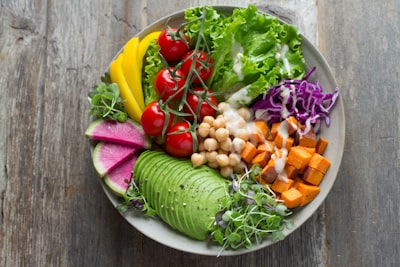
The most apparent way to celebrate is to wear pink.  Enjoy foods and beverages that are pink.  Give a donation to any of the charities that use the color pink.  Use #NationalPinkDay in social media.

NATIONAL BUTTERMILK BISCUIT DAY

May 14th ushers in National Buttermilk Biscuit Day to celebrate this high-rising breakfast staple.

Biscuits are made using baking powder or baking soda as a leavening agent rather than yeast.  A typicalbuttermilk biscuit recipe contains flour, baking powder, baking soda, salt, butter, and buttermilk.  They are often referred to as a “quick bread,” indicating they do not need time to rise before baking. While being made, the dough is beaten and folded to incorporate air, which expands while baking, causing the biscuit to rise. 

Before the American Civil War, biscuits emerged as an inexpensive addition to meals. This sturdier bread product soon became popular as people realized it absorbed the gravy on their plate better than plain bread. Soon a new family favorite, biscuits and gravy, was created.

Alexander P. Ashbourne patented the first biscuit cutter in 1875.

Supermarkets offer canned biscuits that are refrigerated until ready to be baked. In 1931, Ballard and Ballard patented these refrigerator biscuits.

Biscuits have been a staple of the Southern United States cuisine for many years and are often made with buttermilk.  Traditionally served as a side dish with butter, they are also served at breakfast with molasses, light sugarcane syrup, maple syrup, sorghum syrup, honey, jam or jelly, or as a breakfast sandwich.

HOW TO OBSERVE #ButtermilkBiscuitDay

Share your favorite recipes and biscuit combinations. Aside from biscuits and gravy, give these biscuit ideas a try:

  • Make biscuit breakfast sandwiches with eggs and cheese.
  • Serve biscuits with your favorite soup. It’s better than dumplings!
  • Use biscuit dough to make pizza crust. Partially bake the dough before adding toppings.
  • Warm biscuits with butter and jelly satisfy every time.
  • Serve biscuits with pork chops, pork loins, or pulled pork.
  • BBQ and biscuits hit the spot, too. They soak up the juices quite well.
  • Whenever you have fresh fish, serve homemade biscuits. Catfish and biscuits are particularly delicious.
  • Who likes tomato sandwiches during the summer? When fresh tomatoes ripen on the vine, slice them up while they’re warm. Add a little bit of mayonnaise and sprinkle of salt and sandwich them between two warm biscuits.
  • Don’t forget dessert. Biscuits make an excellent base for strawberry shortcake. Just add a little sugar to your dough to sweeten it. You’ll make up the rest of the sweetness with the strawberries and whipped cream.

Use #ButtermilkBiscuitDay to post on social media.

NATIONAL LACY OATMEAL COOKIE DAY

There are cookie holidays and then there is National Lacy Oatmeal Cookie Day. Each year on March 18th, this holiday celebrates a delicate cookie made from oats.

Some people may refer to this day as National Oatmeal Cookie Day (which is celebrated on April 30th). The difference between the two is that lacy oatmeal cookies are wafer-thin and typically accompany a scoop of ice cream or sorbet.

In the early 1900s, oatmeal became a major ingredient in the American diet. Before that, Americans relied on other grains. Originating in England, oatmeal cookies have been around since the 1800s.  However, it is believed that they were created after the oatcake. Soldiers used to carry oatcakes with them for a quick boost of energy during battle. Most research found that the first recorded oatmeal raisin cookie recipe was written by Fannie Merritt Farmer in 1896.Considered a health food, the cookies quickly became popular. By the early 1900s, a recipe for the delicious treats appeared on containers of Quaker Oats.

Oatmeal cookies are an excellent source of iron and fiber

Bakers use many different recipes for the lacy oatmeal cookies. Additionally, home bakers bake with a variety of oats including old fashioned oats, quick-cooking oats, oat bran or oat flour.  For a healthier cookie, add finely chopped or ground fruits (such as raisins) or nuts and use a sugar substitute. You can also decorate your lacy oatmeal cookies with icing drizzled on top of the cookie.

More Cookies..

HOW TO OBSERVE #LacyOatmealCookieDay

Lacy oatmeal cookies make pretty decorations on top of cakes and other baked goods, too. They also make excellent gifts. Make some for a friend or neighbor. 

Use #LacyOatmealCookieDay to post on social media.

NATIONAL CRAB MEAT DAY

Observed annually on March 9th, National Crab Meat Day (also National Crabmeat Day) offers a day to celebrate one of America’s favorite crustaceans. With 1.5 million tons of crab consumed every year around the world, plenty of crab meat lovers celebrate every year. 

While crab meat is a healthy choice, once you add the butter, the fat and calories add up.  And there are thousands of species of crabs, but only certain ones are edible. In the United States, some of the more popular and tasty ones are the blue crab, stone crab, Dungeness, king, and rock or snow crabs. They come in both hard and soft shells and can be found along all the coasts and Hawaii.

Enjoying the meat of these crustaceans can be done in many ways. Boiled crab, either the legs or the whole creature, results in a feast requiring some labor from the diner. However, every tasty morsel is well worth the effort. Mix the meat with other ingredients to create dips, cakes, or soups. 

Explore More…

HOW TO OBSERVE #NationalCrabMeatDay

Boil or steam some crab.  There are a variety of ways crab can be used. Try some recipes today. Use #NationalCrabMeatDay to post on social media.

HOMEMADE SOUP DAY

February 4th heats up with National Homemade Soup Day. In every cuisine, soup provides a rich basis of flavor and history. 

Before the era of modern transportation, soup was a product of regionally available foods. For this reason, there are thousands of soup recipes available today.

Many soups also offer medicinal properties. What was once considered a wive’s tale, chicken soup now has the backing of the scientific community. Yes, chicken soup helps relieve the symptoms of the common cold. How? Well, scientists believe that a bowl of the soup may reduce inflammation of the lungs. It is thought that chicken soup slows down the activity of white blood cells that can cause inflammation.

But that’s not all homemade soup does. Every cook knows the most important ingredient that goes into every pot of simmering soup. They keep the ingredient stored where it will do its best work, too. As they work, they season the soup from their heart giving it just the right amount of love each and every time. Whether they add it with the noodles or the vegetable, the broth or the cream, each cook knows there’s enough to go around. That’s why homemade soup heals the best. 

Explore More…

HOW TO OBSERVE #NationalHomemadeSoupDay

Tell us about your favorite homemade soup. Share a recipe or a memory. Gather the family to learn how to make your best recipe and share the love. Need a new recipe to add to your collection? From chowders and broths to creamy bisques, chances are you’ll find a recipe to love too.

Use #NationalHomemadeSoupDay to post on social media.