
🦋 Welcome to Jen’s world
Small Moments…
Big Joys
Travel · Food · Home · Health · Heart
A lifestyle blog by a disabled woman with a unique perspective — finding beauty in lavender mornings, mountain views, butterflies, and the quiet joy of a warm mug by the window.
Explore by Theme

🦋 Travel
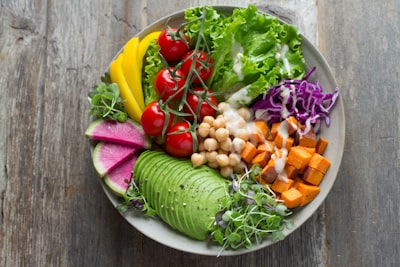
🦋 Recipes
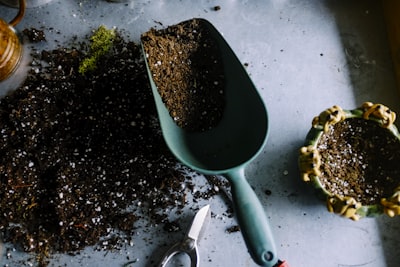
🦋 Home & Garden

🦋 Fashion & Style

🦋 Healthy Living
🦋
Stay Connected
Get the latest posts, recipes, travel tips and more delivered to your inbox!
Latest from the Blog
-
 Adopt, adults, Amazon, Amazon Prime, America, appreciation, autumn, baby, bath, bath tub, blog, Brands, brothers and sisters, bubble bath, Celebration of Life, characters, children, classics, Collectables, comfort, companion, Discovery, Duck, encourage, entertaining, explore, exploring history, fall, family, famous, freedom, friends, friendship, fun, giving, Google, gratitude, heritage, history, household, inspire, January, Kindergarten, lifestyle, memories, men, mom, monthly observations, movies, nurture, Pintrest, population, relax, remember, rubber duck, search, Sesame Street, share, sing, smile, social media, Spring, story, summer, travel, Trivia, United States of America, Vintage, winter, women
NATIONAL RUBBER DUCKY DAY
According to a 1973 Sesame Street calendar, Rubber Duckie’s Birthday is January 13th so around the country it’s…
-
 accolade, Adopt, adults, agenda, Amazon, Amazon Prime, America, Army, autumn, awareness, bicycle, bike, biking, brothers and sisters, car maintenance, causes, celebrity, characters, climate, climate agenda, climate change, climate friendly, Collectables, college, community, competition, Computer, Discovery, drive through, driving directions, earth day, eco-friendly, electronics, encourage, environment-friendly, explore, exploring history, fall, family, famous, freedom, goals, history, inspiration, inventions, lifestyle, luxury, men, outdoors, reminders, Road Trip, safety, scientist, security, September, smart watch, smile, space, Spring, States, summer, technology, travel, Trivia, United Kingdom, United Nations, United States of America, winter, women
CAR FREE DAY
On September 22nd, Car Free Day encourages motorists around the world to give up their vehicles for a…
-
 accolade, Adopt, agenda, Amazon Prime, America, animals, appreciation, April, Audubon day, autumn, back yard, bird, bird watching, birds, blog, books, brothers and sisters, calander, Celebration of Life, celebrity, classics, Collectables, college, companion, Discovery, earth day, eco-friendly, encourage, England, environment-friendly, explore, exploring history, fall, friendship, garden, gardening, yard decor, exterior design, inspiration, lifestyle, luxury, memberships, memories, men, monthly observations, mother nature, nurture, Pintrest, pod cast, population, Positivity, Road Trip, safety, serve, smile, snack, songs, Spring, States, story, United Kingdom, United States of America, Vintage, warm, water conservation, winter
NATIONAL AUDUBON DAY
On April 26th each year, National Audubon Day honors the birth of John James Audubon (April 26, 1785…