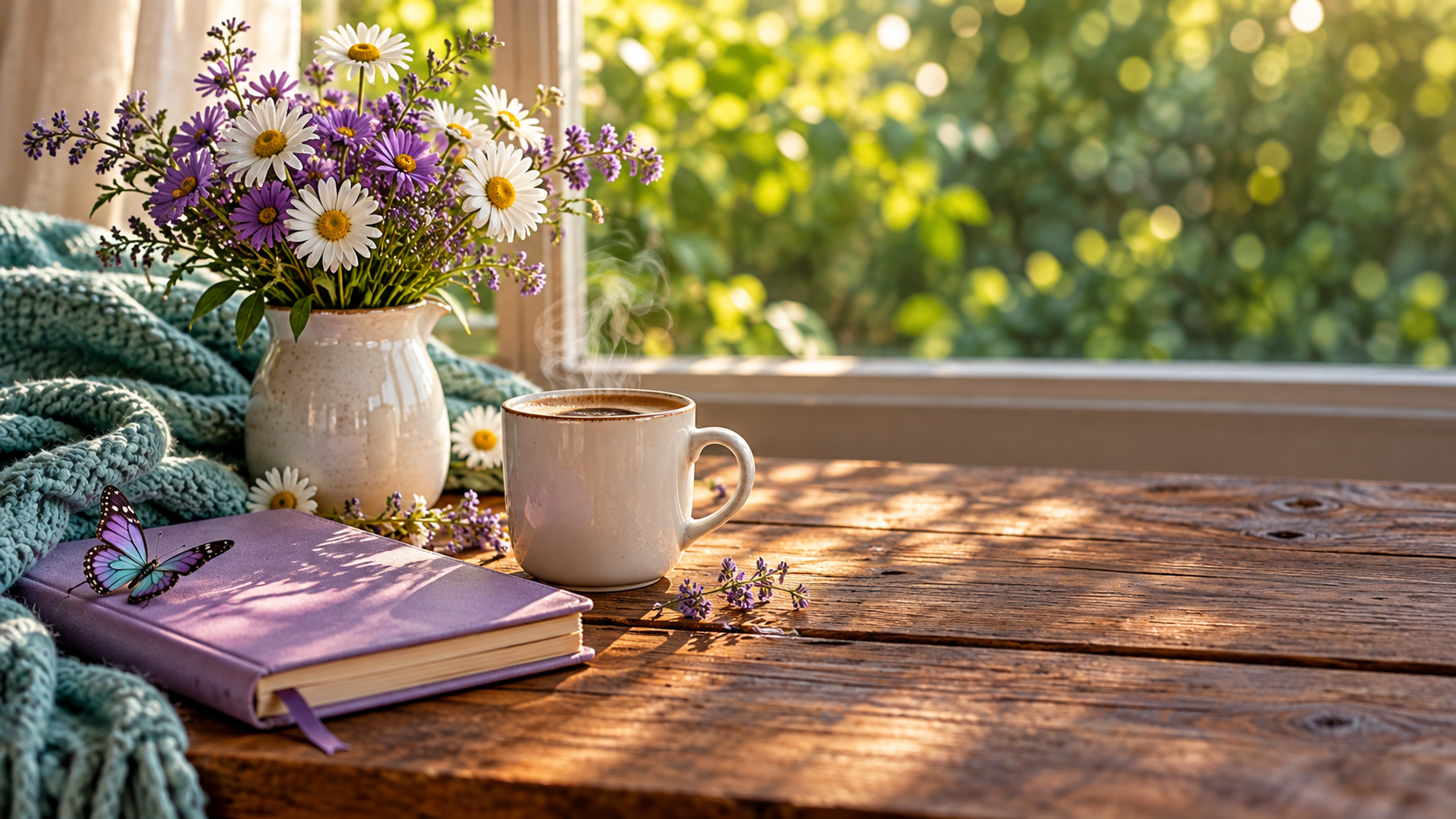
🦋 Welcome to Jen’s world
Small Moments…
Big Joys
Travel · Food · Home · Health · Heart
A lifestyle blog by a disabled woman with a unique perspective — finding beauty in lavender mornings, mountain views, butterflies, and the quiet joy of a warm mug by the window.
Explore by Theme
🦋 Travel
🦋 Recipes
🦋 Home & Garden

🦋 Fashion & Style

🦋 Healthy Living
🦋
Stay Connected
Get the latest posts, recipes, travel tips and more delivered to your inbox!
Latest from the Blog
-
 accolade, America, autumn, Celebration of Life, Diets, Discovery, fall, family traditions, friendship, October, sports, States, Uncategorized
KENTUCKY DERBY
The Kentucky Derby is a tradition that takes place on the first Saturday in May. Its long and…
-
 accolade, Adopt, Amazon Prime, America, appreciation, Athletic, autumn, back to school, baseball, blog, books, Brands, calander, Celebration of Life, celebrity, college, companion, Discovery, emergency preparedness, explore, fall, football, friendship, inspiration, keto, lifestyle, March, men, monthly observations, playlist, sports, Spring, United States of America, winter
NATIONAL ATHLETIC TRAINING MONTH
Every March, National Athletic Training Month focuses on the impact Athletic Trainers (ATs) have on the safety and…
-
 accolade, Adopt, America, appreciation, autumn, awareness, baking, blog, books, Celebration of Life, college, cooking, December, Discovery, encourage, explore, exploring history, family traditions, friendship, giving, Hanukkah, heritage, Hispanic American, inspiration, kindle, lifestyle, memories, men, nuture, Retailers, sing, smile, songs, story, warm, winter
KWANZAA
Kwanzaa is a celebration that honors African heritage in African-American culture. Every year from December 26 – January…