
🦋 Welcome to Jen’s world
Small Moments…
Big Joys
Travel · Food · Home · Health · Heart
A lifestyle blog by a disabled woman with a unique perspective — finding beauty in lavender mornings, mountain views, butterflies, and the quiet joy of a warm mug by the window.
Explore by Theme

🦋 Travel
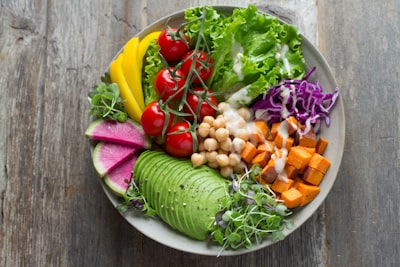
🦋 Recipes
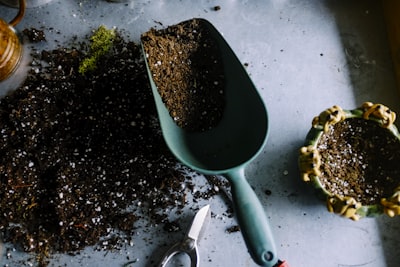
🦋 Home & Garden

🦋 Fashion & Style

🦋 Healthy Living
🦋
Stay Connected
Get the latest posts, recipes, travel tips and more delivered to your inbox!
Latest from the Blog
-
 Adopt, adults, Amazon, Amazon Prime, America, appreciation, authors, autumn, Bingable, blog, books, brothers and sisters, Celebration of Life, characters, children, classics, community, Discovery, encourage, explore, fall, family, fiction, freedom, friends, friendship, fun, funny, garden, giving, goals, Halloween, heritage, history, Holiday, inspiration, learn, libraries, library, lifestyle, literature, memories, men, monthly observations, music, nurture, October, party, read, Recipes, remember, share, smile, story, travel, Trivia, United Kingdom, United States of America, Vintage, Wardrobe, winter, women
NATIONAL MAD HATTER DAY
October 6th is a day set aside each year to bring out your silly side while celebrating National…
-
 accolade, Amazon Prime, America, appreciation, autumn, baking, blog, books, Celebration of Life, classics, December, desserts, Discovery, encourage, explore, fall, family traditions, friendship, giving, heritage, lifestyle, memories, men, Positivity, Retailers, September, serve, smile, Spring, States, story, warm, winter
NATIONAL PECAN COOKIE DAY
Each year on September 21st, people across the United States celebrate National Pecan Cookie Day. This delicious cookie…
-
 accolade, Adopt, Amazon Prime, America, appreciation, autumn, bakery, baking, blog, brunch, Celebration of Life, desserts, Discovery, encourage, explore, exploring history, fall, friendship, golf, inspiration, lifestyle, March, memories, men, smile, Spring, United States of America, winter
NATIONAL LACY OATMEAL COOKIE DAY
There are cookie holidays and then there is National Lacy Oatmeal Cookie Day. Each year on March 18th,…
-
 America, appreciation, April, autumn, awareness, baking, barbecue, berries, berry, blueberry, cheese, cherry, cooking, December, desserts, Diets, Discovery, donut, Driscoll’s, encourage, environment-friendly, explore, exploring history, fall, friendship, fruit, heritage, March, men, money, November, October, patriotic, punch, safety, September, smile, soup, Spring, States, Super Bowl, warm, winter
NATIONAL FROZEN FOOD DAY
National Frozen Food Day recognizes the preservation feat that freezing fruits, vegetables, and meats have been on modern…
-
 accolade, Amazon Prime, America, appreciation, baking, blog, books, Celebration of Life, cooking, December, desserts, Diets, Discovery, encourage, explore, family traditions, friendship, german American, Hanukkah, heritage, inspiration, lifestyle, memories, men, restaurant, Retailers, smile, soft, spices, States, story, warm, winter
NATIONAL PFEFFERNUSSE DAY
December 23rd is reserved for National Pfeffernusse Day, a German spice cookie. Very popular around the holidays, pfeffernusse are…