
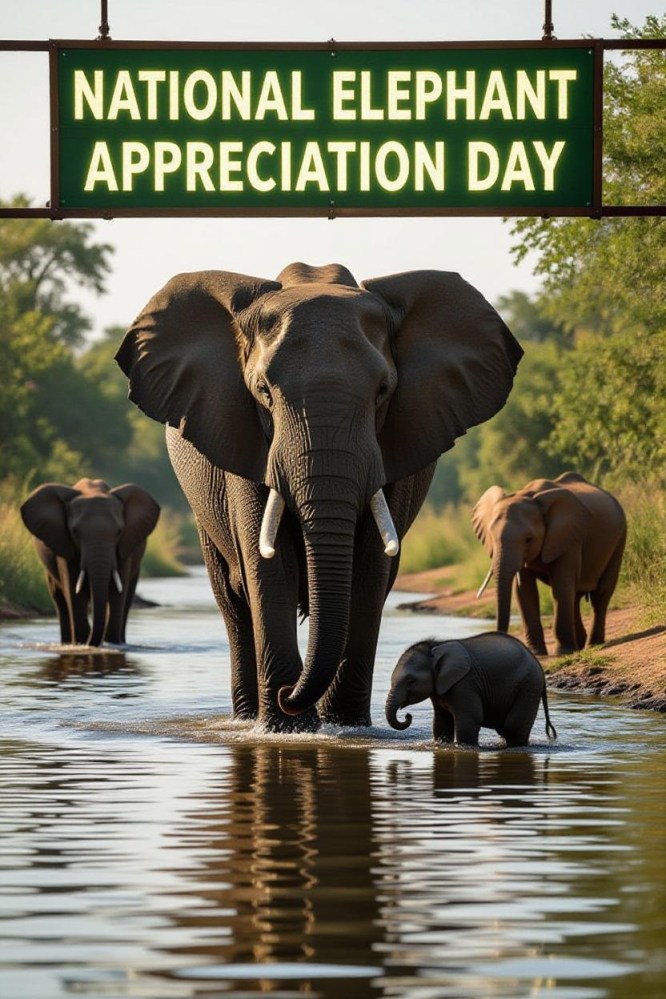
If you didn’t remember September 22 is National Elephant Appreciation Day, it’s fine. We’re sure the elephant probably didn’t forget.
People of all ages are fascinated by elephants. Discover some interesting facts about them to celebrate with us!
These captivating and social animals live between 60 to 70 years. Like humans, elephants develop remarkably close family bonds. Two species, the African Savannah and Asian elephant, exist. However, recently scientists suggested that the African Forest elephant is also a unique species and not a subspecies.
Each day, poachers kill approximately 100 elephants for their ivory, meat, bones, and skin.
These pachyderms are closely related to rhinoceroses and hippos. In fact, pachyderm describes thick-skinned animals with hooves or nails similar to hooves. While the African elephants outgrow the Asian, both hold the prize for the largest land mammal on earth. However, there are some differences between the species, though.
Differences Between African & Asian Elephants:
- The African elephant grows larger ears.
- In the Asian species, only the male grows tusks. However, in the African, both male and female elephants grow tusks.
- One of the things that fascinate us about elephants is their trunk. It’s super sensitive. At the end, a small finger-like appendage grows. The appendage, also known as a lobe, gives elephants the ability to pick up small twigs, bits of grass and other items. On the Asian elephant, the lobe grows at the top tip of the trunk. However, the African elephant grows a lobe at the top and bottom, giving it extra pinching dexterity.
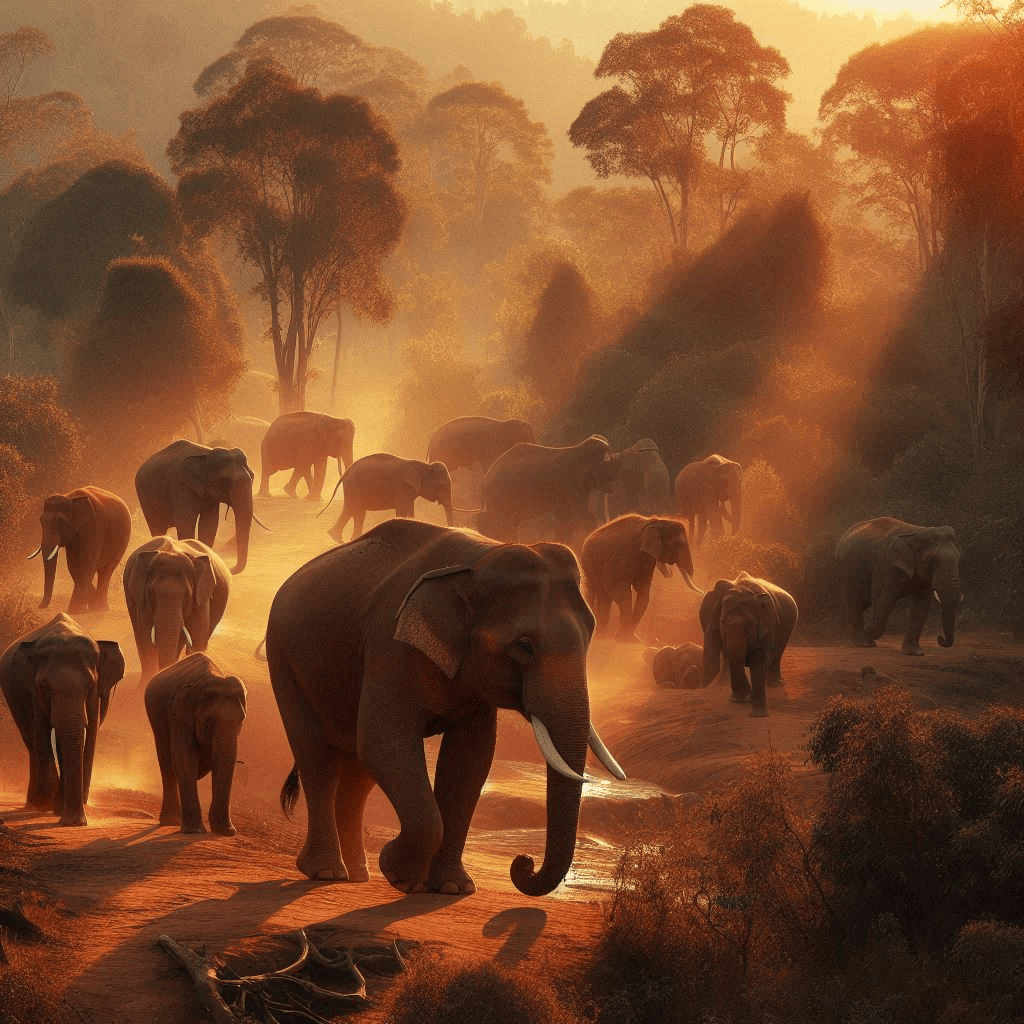
- Both species live in herds. The herds are led primarily by a matriarch and comprised of sisters, daughters and their young. As the males grow, they move off on their own. Asian herds tend to be smaller than the African herds.
- While both species are herbivores, their diets vary based on the available habitat.
Elephants are spirited and playful animals. Have you ever seen them frolic in the water? And they will defend their own with their mighty tusks. Whether foraging for food or digging a mud hole, their tusks are vital for survival. Since hunters value the ivory more than the life of the elephant, they endanger the continued existence of these majestic animals.
Do elephants never forget? Well, studies have determined that elephants have excellent memories. They remember vital locations over large areas of land. Elephants also show recognition of faces and other elephants even after a long time has passed. And while we may be forgetful from time to time, we don’t recommend forgetting this holiday!
NATIONAL ELEPHANT APPRECIATION DAY HISTORY
National Elephant Appreciation Day originated in 1996 to raise awareness concerning the plight of elephants.
The word “pachyderm” is often used in reference to an elephant. However, the elephant isn’t the only pachyderm in the world. The obsolete term was once a classification of animals which also included hippopotamuses, rhinoceroses, pigs, and tapirs.
Elephants do sleep standing up, though not all the time. Wild elephants will spend more time sleeping standing up than their captive relatives.
Explore More…
National Urban Wildlife Refuge Day
National Wildlife Conservation Day
National Endangered Species Day
National Elephant Day
National Wildlife Week
World Wildlife Day
National Zoo and Aquarium Month
HOW TO OBSERVE ELEPHANT APPRECIATION DAY
Don’t forget to celebrate the Elephant on September 22nd! Show your appreciation today by visiting the elephants at your local zoo. Get involved. Learn about conservation and eliminating poaching.
Read up about elephants. We suggest The Elephant Whisperer by Lawrence Anthony or Love, Live and Elephants: An African Love Story by Daphne Sheldrick. You could also read Horton Hears a Who by Dr. Seuss or any of the Babar stories by Jean de Brunhoff.
Documentaries bring the life of the elephant into our living rooms. Watch Elephant directed by Mark Linfield or When Elephants Were Young directed by Patricia Sims.
Use #ElephantAppreciationDay to post on social media.